

Sorry to disappoint you, but wild animals aren’t Disney actors.
Because, in real life, Scar is the most realistic character (male lions do kill other males and their young when they take over a pride), and the hyenas would’ve caught Simba because they’re absolutely merciless and smart hunters.


But that’s not what people wanna see, right? We want the cuddly cubs, the pretty manes, and the family happily playing together.
And when that’s not what reality looks like, you simply create your own. Which brings me to the topic of this blog post: wildlife photography and AI. And why this is a dangerous combination.
Wildlife & AI
I recently read that AI-generated wildlife content creates a “Disneyfication” of the wild world, and that stuck with me. It’s not new that people prefer to see the nice and cute side of animals, and not the brutal, bloody one.
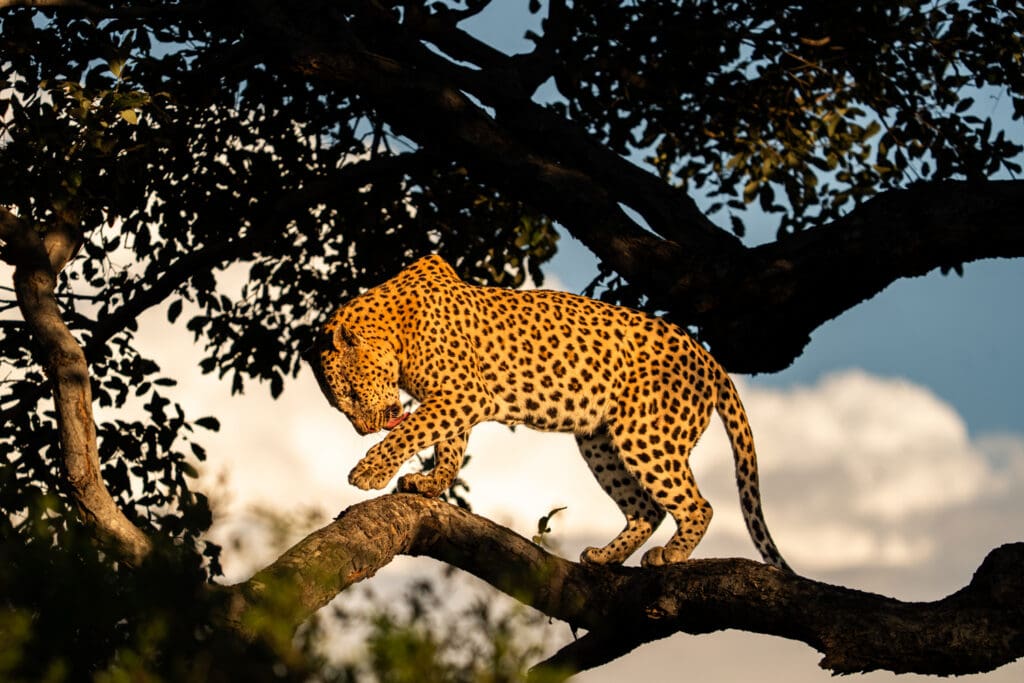
But what’s new is that, instead of just not showing the raw reality, a new one is created. One quick prompt, and instead of the lion killing the baby antelope, they become friends. And the leopard, who’d maul you in real life, becomes a friendly kitty cat that enjoys belly rubs.
And that’s where the harmless fun ends. With these videos looking more and more realistic, and often not being tagged as AI, it becomes increasingly difficult to distinguish between what’s real and what’s not. And many people don’t know enough about animal behaviour (or AI) to immediately tell that something is off. AI creates this fake nature that shows what people want to see and how they want nature to be like, leading to a completely distorted perception of true animal behaviour. And that comes with consequences.
Fake Nature, Real Consequences
Because there will always be someone who wants to recreate what they see. If we take the leopard example, trying to approach a wild leopard to pet it will most likely not end well. Most wild animals don’t want any close contact with humans, and if they have teeth or claws, they’ll use them.
Plus, where there’s a demand, there’s an offer. Studies already show that Social Media is changing the way we see and interact with wild animals. We want to get closer, faster, more sharable encounters (that’s a story for another Blogpost).
But that’s not how nature or (ethical) safaris work. And when people can’t have these experiences in the wild, the look for other options. This fuels shady petting zoos and the illegal wildlife trade, and with it, the suffering of the animals involved.
The future of wildlife photography?
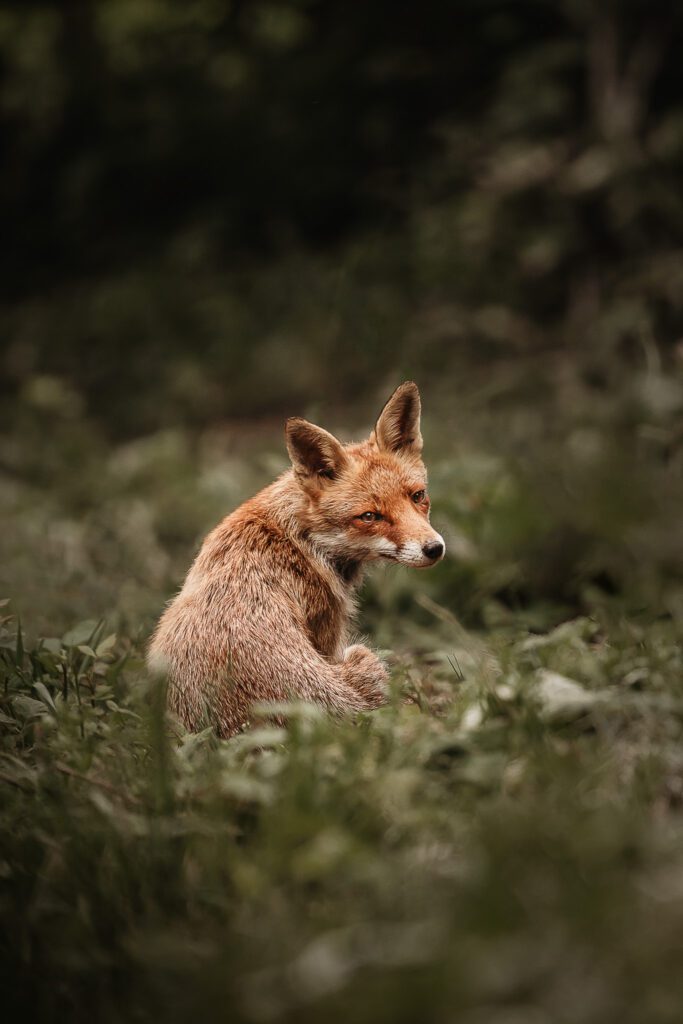
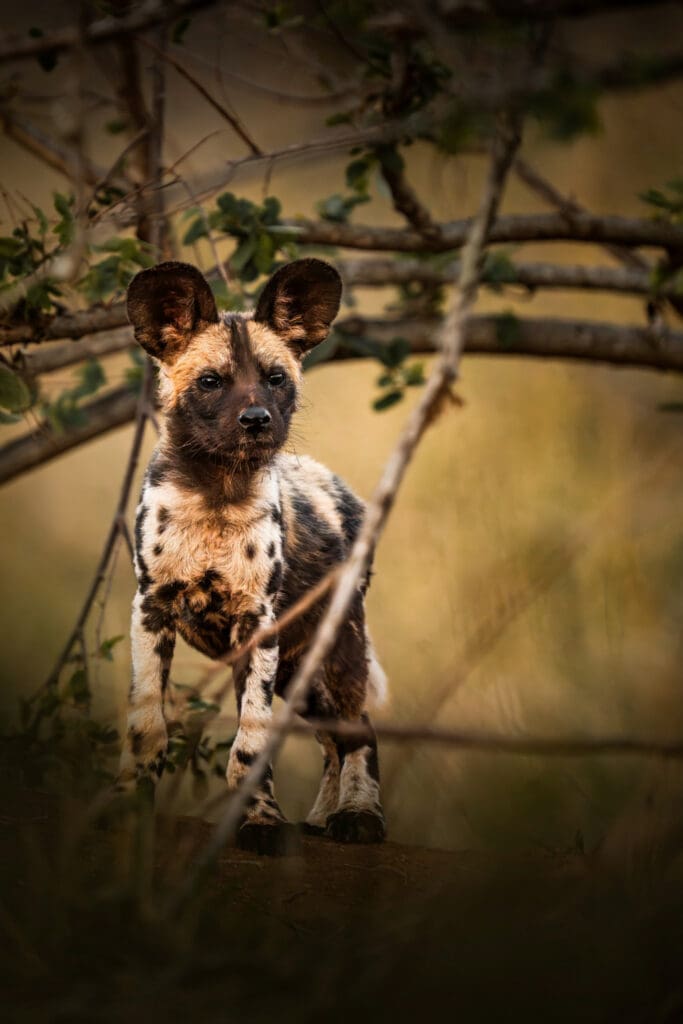
As a wildlife photographer, I’m worried that our work will lose its worth. If the next photo or story is just a thought and a prompt away, and everything becomes possible without even leaving the house, why bother? Animal photography is hard work. You can go weeks or months without a shot, and even with the best preparation, it still depends on luck.
You have to dive deep into the animal’s life, understand how and where they live to find them. Or spend a lot of time outdoors until you stumble upon one. And that makes you truly appreciate the photos. But with the world being flooded with “perfect” images, the connection that it takes to photograph wildlife could go lost.
If you’ve already seen everything (imagined or real), what still can excite you?

And from the viewer’s view: if you can’t decide anymore what’s real and what’s not, all trust is lost. And why care about something you don’t know if it’s even true? If people stop believing the real stories, they could also stop caring. And if you stop caring, why protect something you don’t feel any connection to?
What’s next?
Okay, all this sounds quite depressing. And I truly hope that the opposite comes true – that, because of everything becoming more and more fake, people appreciate real stories from real humans about real animals even more.
To know that we share the planet with such amazing and fascinating creatures and to see them in their natural habitat is something no AI will ever recreate. The real world is wonderful enough and doesn’t need a cheap AI copy.
I’ll definitely want to work towards this. That’s what wildlife photography is for me: it’s not only about getting ‘the’ shot, but also about feeling connected to the animals and nature. Sure, a good photo is great, but nothing compares to the full experience of truly being out there.
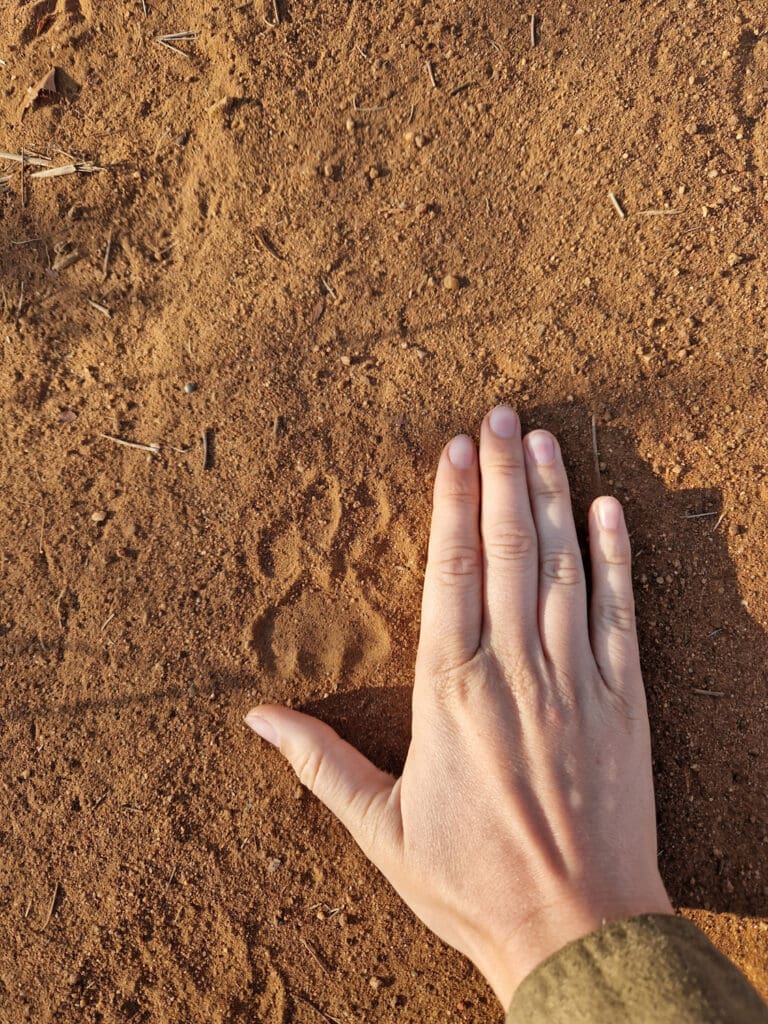

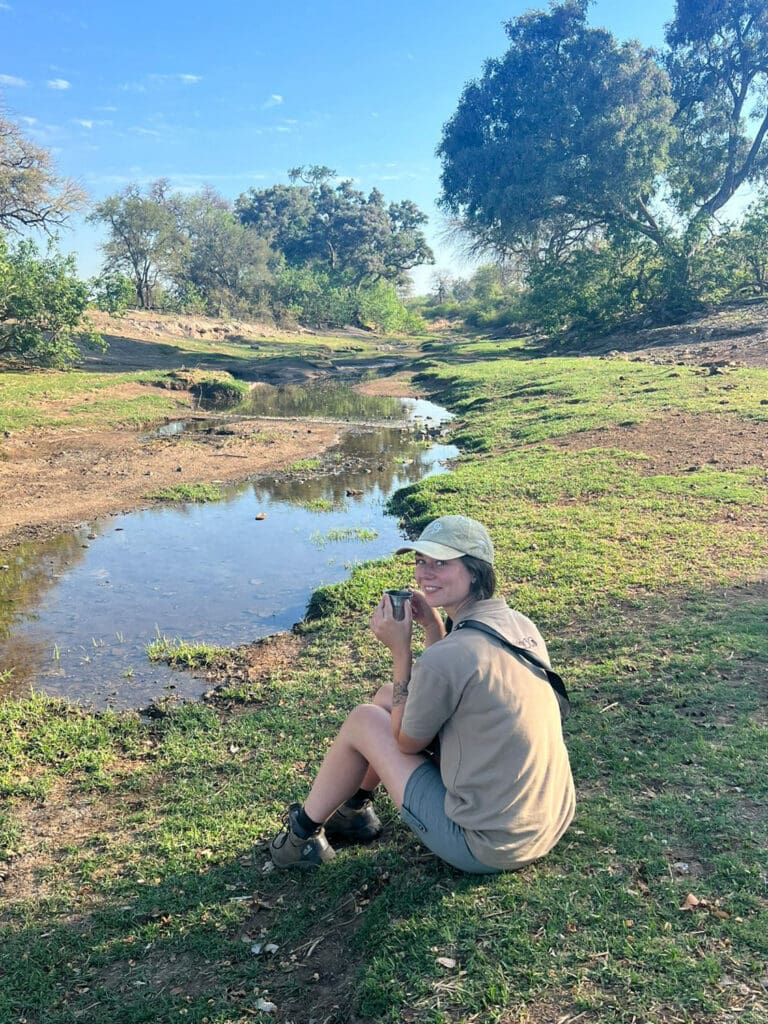
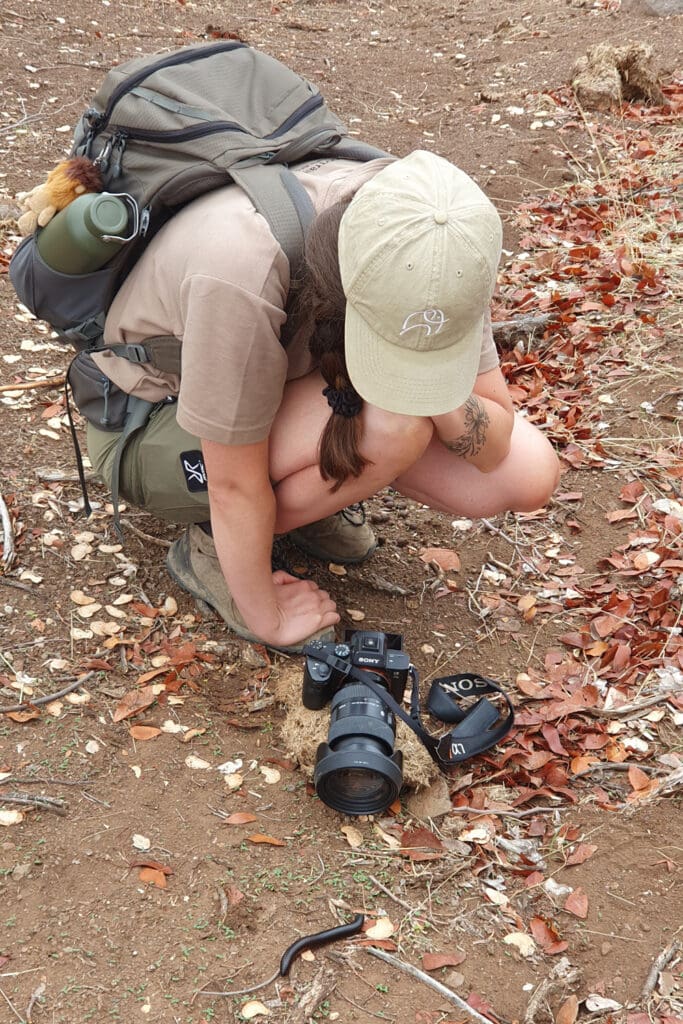
And that brings me to my last point: Trust in the creator is so important nowadays. I see it with myself: every time I see any spectacular shots from accounts I don’t know, my first instinct is to doubt them.
In the Lifestyle-Influencer-Bubble, it’s predicted that the era of this flawless, polished content is over. People grow tired of this neverending stream of absolutely exchangeable content. And I hope this becomes a lasting trend, also with wildlife and nature content.
How to spot AI wildlife content
To help you identify AI slop, here’s a checklist with some tips:
- The main motive is close to perfect by now, but there sometimes are tells in the background: texts that don’t make sense (AI often only imitates words, leading to word-like patterns but not actual texts), weird structures or glitches
- Do the shadows match the light source?
- Are movements accurate? For example if an animal touches a plant, does the plant move? Or when the animal moves, does it have “weight”?
- Why and how would this image/ video have been taken? Would it have even been possible to place a camera there? There are a lot of these „camera traps“ videos going viral, but would someone really place a camera there?
- Do you get any background information on the shot or behind-the scenes?
- If it simply looks too perfect or smooth to be real, it might be true
- Check the account: what kind of content do they post, is it a reliable source? If it’s something like „beautifulnature“ or „nationalgeography“ (typo intended), be careful
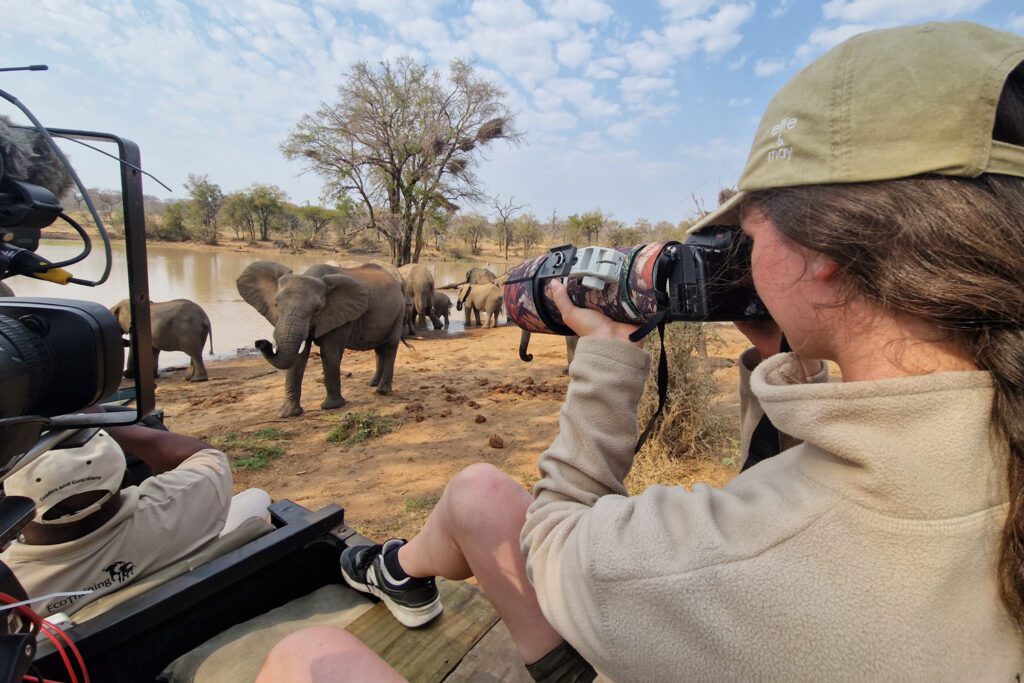

While I’m obviously critical towards AI when it comes to creating images and videos, I’m not per se Anti-AI. It’s an amazing tool to structure my creative workflows or for brainstorming and organizing ideas. I also can’t believe anymore that we used to manually retouch our photos some years ago?! Like before generative fill, I spent HOURS on copy+paste this shit by hand?!
So personally, I use it a lot. I mean I’m also a student haha. But it’s all about responsibility. That’s why I’m also curious how it’ll develop.
And what I’m also curious to hear is your opinion on this, let me know in the comments or on Instagram!


Leave a Reply